Budgets are often presented as lists of promises. Pakistan’s Federal plan for 2026–27 is better read as a map of constraints. The Annual Budget Statement sets total expenditure at PKR 18.77tn. Yet the room for fresh policy is much smaller than that imposing figure suggests, because a large share of the plan is already spoken for.
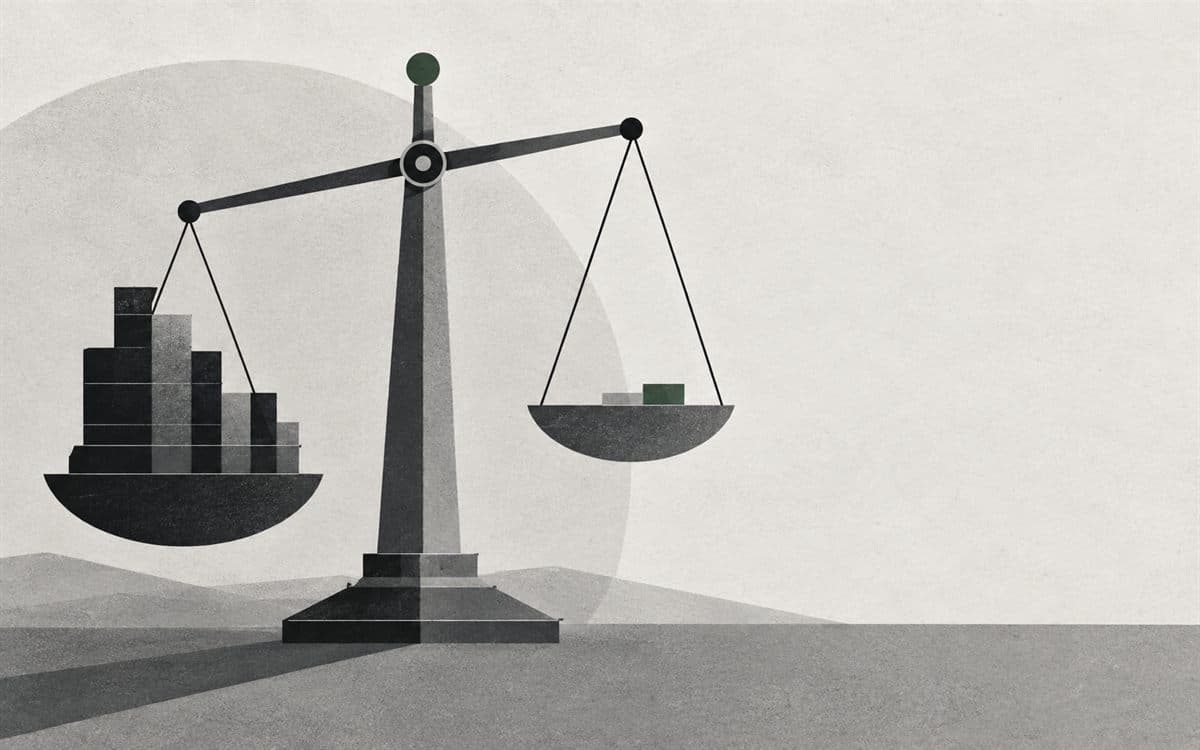
Interest payments alone are put at PKR 8.05tn, or 43% of Annual Budget Statement total expenditure. That is not a discretionary programme that can be trimmed without consequence; it is the price of past borrowing and current interest rates. The allocation is about 8.1 times the PKR 1.00tn Federal PSDP.
Net revenue receipts are expected to provide PKR 11.75tn, equivalent to 63% of the spending plan. Non-bank and bank borrowing, net external receipts and privatisation proceeds complete the published resource framework.
The provinces sit inside this pressure system too. The Federal statement sets out PKR 8.85tn as their share in Federal taxes. Provincial statements report their own transfer controls, sometimes with different boundaries and presentation. Those figures should illuminate the federation’s plumbing, not be forced into a false line-by-line reconciliation.
The central choice is thus less dramatic than a budget speech and more consequential: how much space can be preserved for services and investment after financing the state’s inherited commitments? A plan can be arithmetically balanced on paper while remaining strategically cramped. That is the fiscal condition worth watching through the year.