Pakistan’s September inflation eases to 10.3%, but prices keep rising
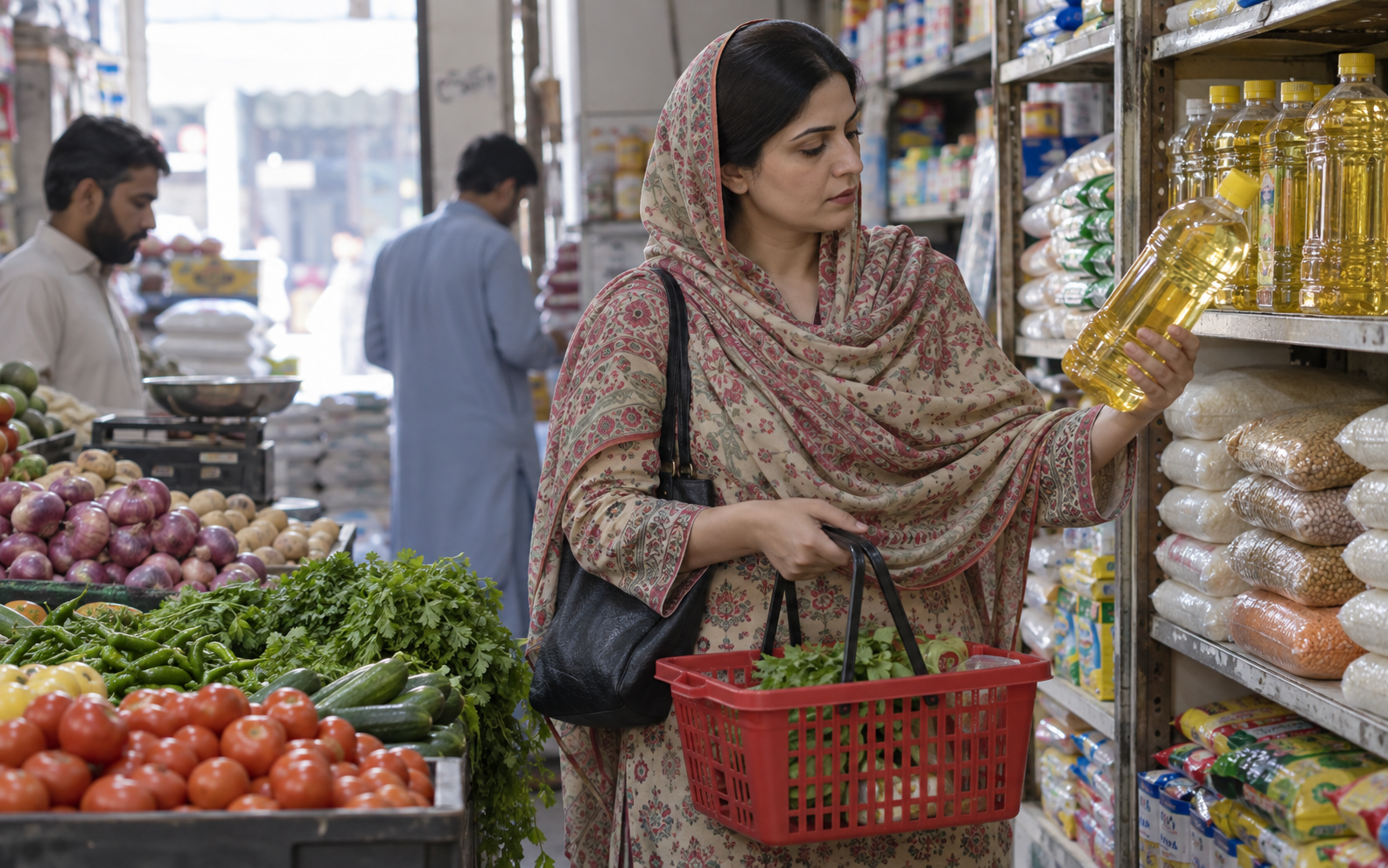
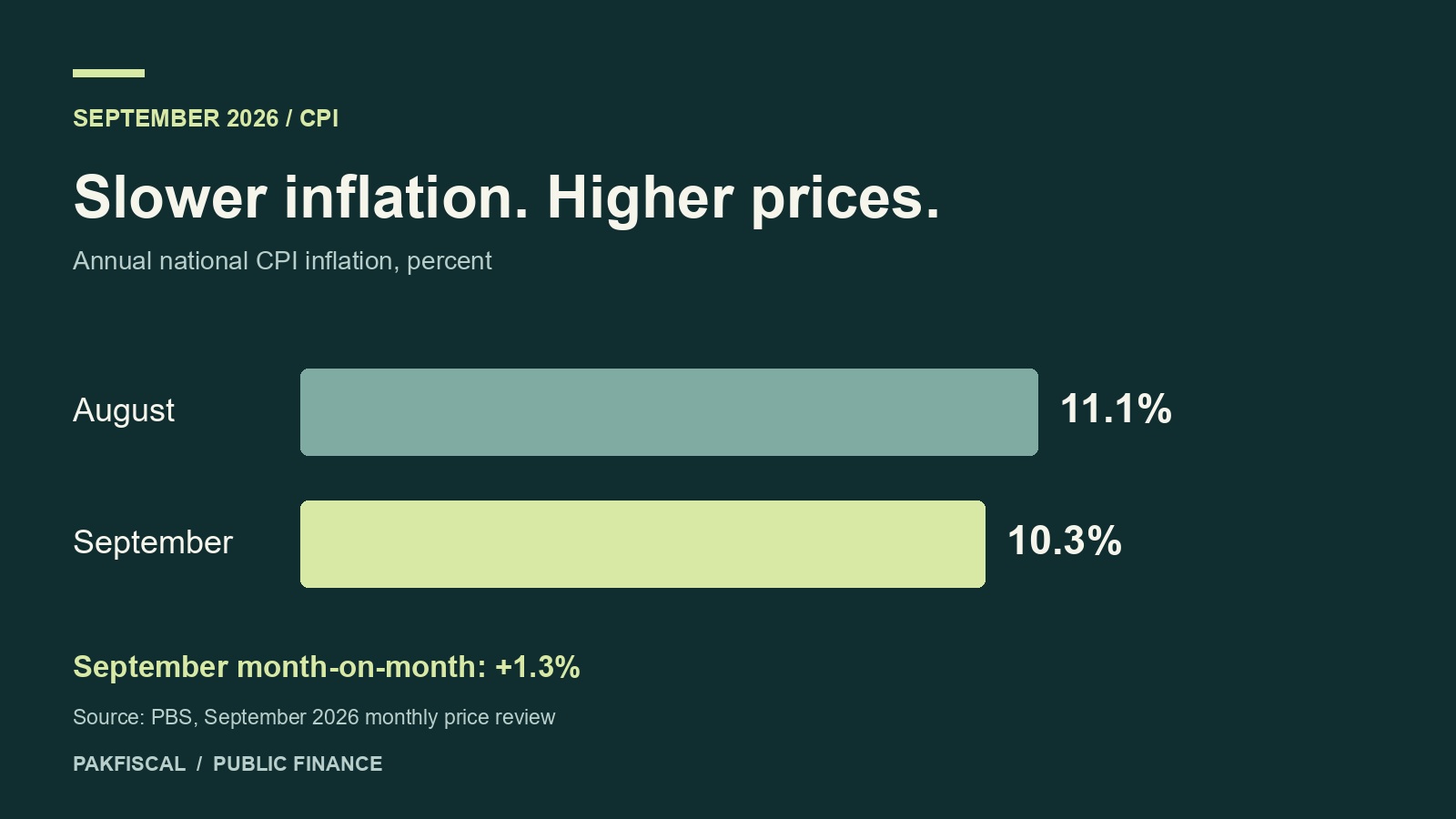
September’s annual CPI rate fell to 10.3%, while prices rose 1.3% from August. The official PBS result shows why slower inflation does not mean a cheaper household basket.
Reporting and analysis on Pakistan’s public finance, taxation, budgets and economy.
September’s annual CPI rate fell to 10.3%, while prices rose 1.3% from August. The official PBS result shows why slower inflation does not mean a cheaper household basket.
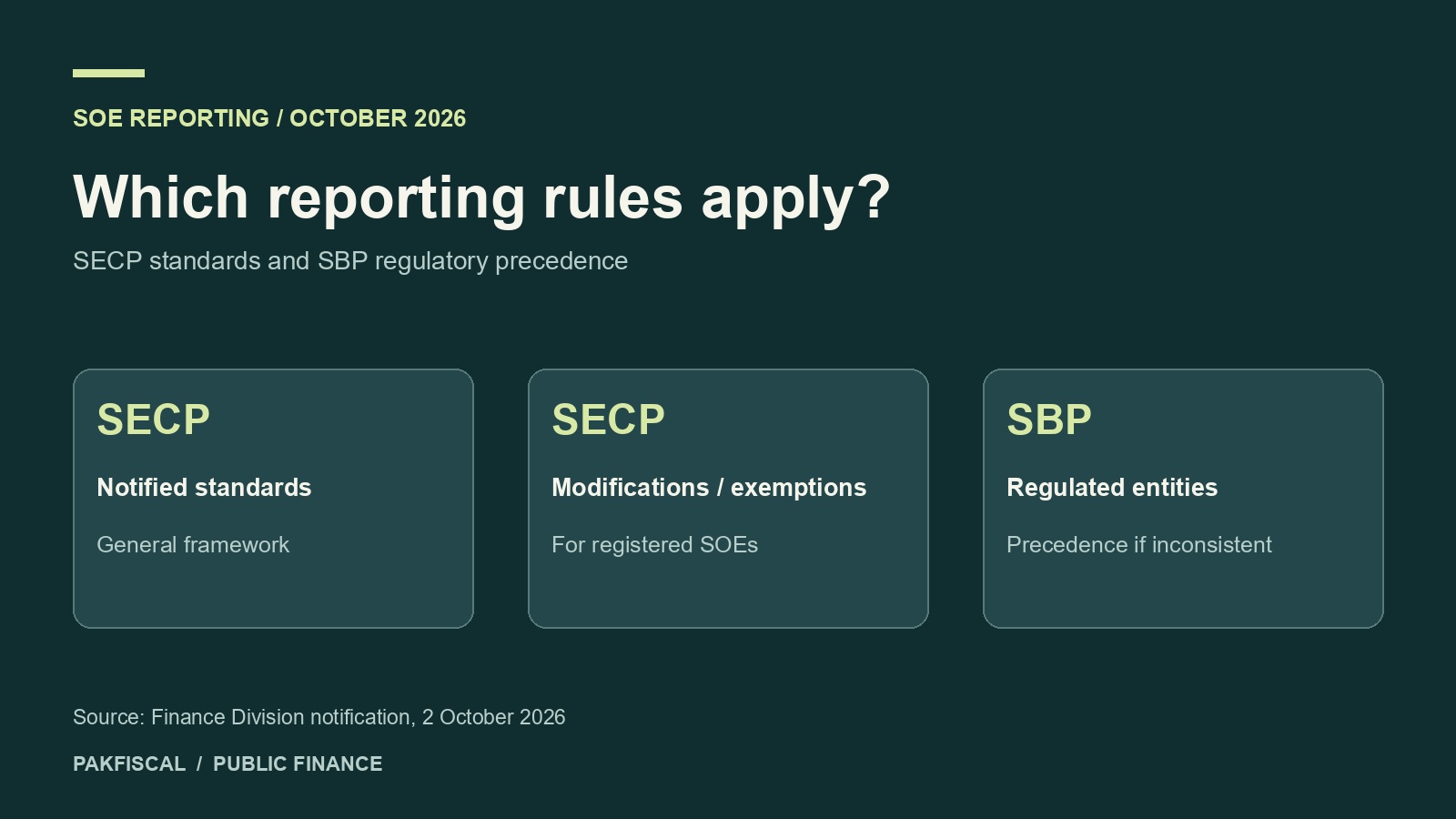
An October 2 policy amendment ties SOE financial reporting to SECP-notified standards and preserves SBP’s precedence for regulated entities. It also addresses exemptions and statutory SOE financial management.
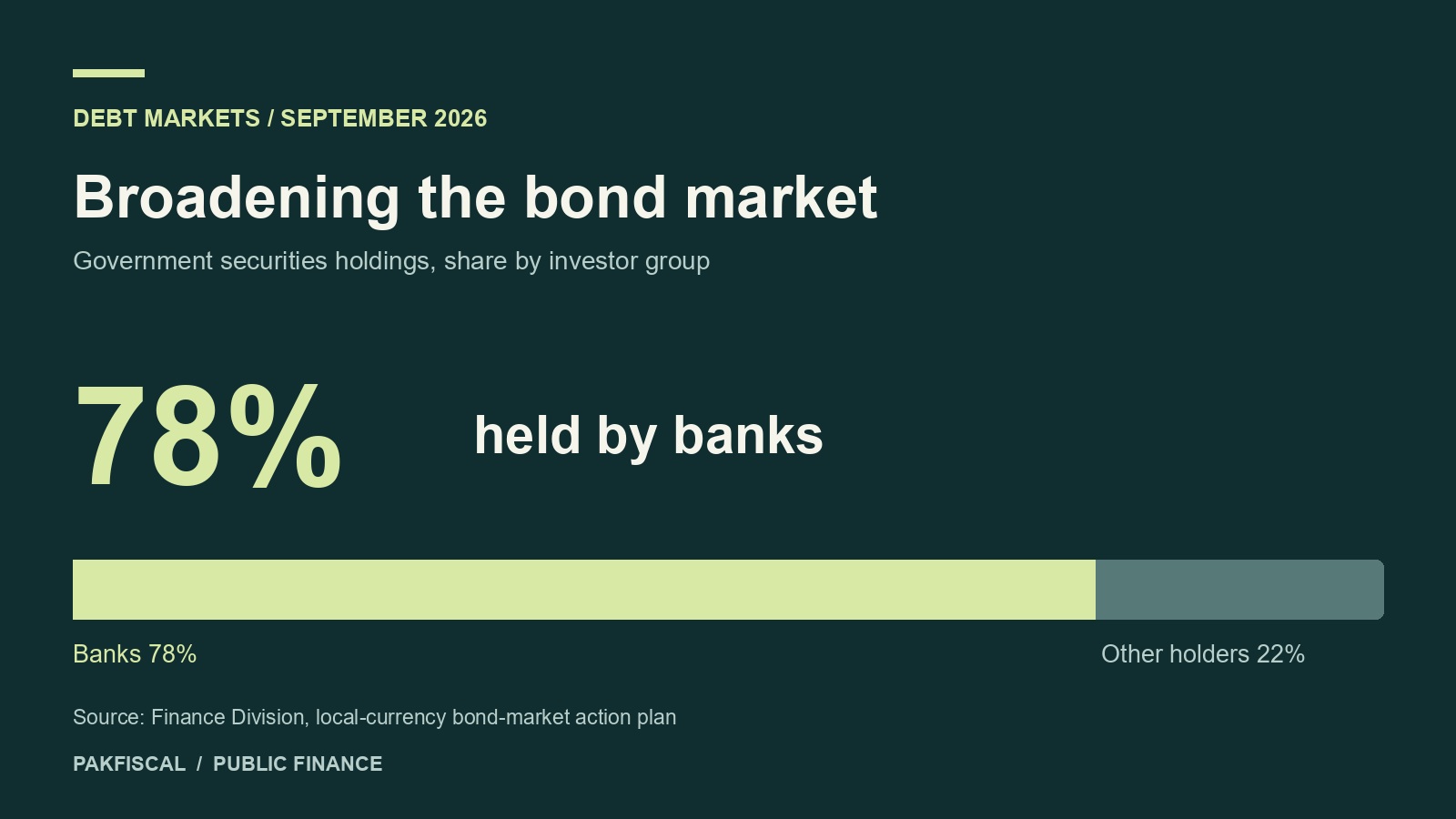
A September action plan targets a broader investor base, more predictable auctions and better trading. Its objectives extend beyond raising debt to improving how the domestic market works.
Pakistan’s total public debt rose 7.7% to PKR 86.7tn by June 2026, while its ratio to GDP eased. The Finance Division also reports a narrower statutory debt measure, which produces a different headline ratio.
The Finance Division projects PKR 28.647tn in gross financing needs for FY2026–27. About three-quarters reflects debt maturities, rather than the year’s projected federal deficit.
FBR’s published general deadline for individuals and AOPs remains 30 September 2026 as ABAD seeks an extension. The request is not an FBR decision.
The KSE-100 lost about 120 points in the week to 25 September as investors weighed oil prices and IMF developments; average daily volume rose 48.2%.
FBR SRO 1655(I)/2026 sets out electronic scrutiny of sales-tax returns through IRIS, including advance advice and time for taxpayers to respond to flagged discrepancies.
Analysts forecast September inflation of 10.25%–10.75%, but PBS has not released the official September CPI figure. Energy, food and housing costs remain key risks.
Pakistan’s trade deficit with Gulf partner countries widened to $3.45 billion in the first two months of FY27 as imports from Qatar and Saudi Arabia rose faster than some export flows.
Pakistan is changing the way tax audits and assessments are conducted by creating a National Faceless Centre, a system designed to separate taxpayers from the officers handling their cases. The reform could significantly change one of the most sensitive parts of Pakistan's tax administration: direct interaction between taxpayers and tax officials. How the system will work Under the…
Pakistan has introduced a more formal method for taxing income earned through social media, giving the Federal Board of Revenue (FBR) a way to estimate a creator’s income rather than relying only on the amount they report. The new framework covers both resident and non-resident creators earning from interaction with users in Pakistan, although the rules differ between the two. How FBR can now…
A PKR 18.8tn spending plan can look expansive. Its composition tells a sterner story: old obligations are competing with new ambitions for the same rupee.
Interest payments have become the budget’s gravitational force. Everything else must negotiate around them.
Scale gives Punjab the biggest development allocation among the four annual provincial plans—but size is only the beginning of the argument.
The revenue plan leans heavily on taxation, while a sizeable non-tax component makes the total more exposed to one-off and administratively determined receipts.
Official provincial Federal-receipt controls and the Federal NFC control differ slightly. The honest response is to preserve the scopes, not manufacture agreement.
Net revenue receipts cover 63% of expenditure; borrowing, external receipts and privatisation proceeds complete the published resource framework.